
Discussing, making contacts, getting informed: At the New Year’s reception, WirtschaftsWoche correspondents gave readers an insight into their work. There was plenty to talk about.
Apart from documenting the lives of some of the examples of charismatic leaders, many major topics are currently dominating the everyday lives of journalists around the world: The superpower duel between the USA and China, Europe after Brexit, and the Wirecard scandal, however, are topics that WiWo correspondents are particularly concerned with.
Julian Heißler, Jörn Petring, Matthias Hohensee, Silke Wettach, Sascha Zastiral, Volker ter Haseborg, and Melanie Bergermann gave more than 200 readers an insight into their work via a Zoom call at the “Digital New Year’s Reception 2021”. The evening was moderated by Beat Balzli, editor-in-chief of WirtschaftsWoche.
In addition to combating the pandemic, the Bundestag elections, and climate change, these three mega-trends are programmatic:
The Superpower Duel
So the world continues to revolve around the duel of the superpowers. China is reaching for supremacy and the US wants to keep the lead. The first panel on this exciting initial situation was opened by correspondents Julian Heißler, Jörn Petring, and Matthias Hohensee.
Heißler and Petring have been following the trade dispute between the USA and China for a long time. Heißler in Washington and Petring in Beijing. Even after the US election campaign, China is still a big issue, confirms Heißler. Although Donald Trump and Joe Biden agree on the point of restricting China, the new president-elect would approach it differently: “First Biden freezes the conflict,” then he builds the relationship with other nations – including Europe – and then collectively weakens China. Trump, on the other hand, had rather the opposite effect. Through him, China is seen as an even more dangerous opponent. And: According to Heißler, Trump focused only on trade during his leadership. The new president would bring human rights back into focus.
China, however, sees the US as increasingly weaker, according to Petring. The reason: the corona chaos. After the pandemic broke out in China, the country has been able to get the worst behind it, while the US is losing control. That’s why China will be even more self-confident when it comes to trade agreements again. And the images of the storming of the Capitol would also show the Chinese how weak the US is in their eyes. China wants to become even more independent of the Americans, according to the China correspondent. That’s why investment in technology is currently increasing enormously. “Thanks to Corona, the Chinese will overtake Americans in economic power by 2028.”
Matthias Hohensee also feels the growing influence of China, sitting in the middle of the high-tech center of America. Hohensee has lived in Silicon Valley since 1998. But how long will its myth last? Silicon Valley giants increasingly see Chinese companies such as Tencent, Alibaba, and Baidu as competitors. But: The fragmentation of the Internet still prevents the direct exchange of blows, believes Hohensee. And: About 80 percent of Silicon Valley is against the technology war that Washington is waging against Beijing. “China is simply a huge market that is needed here,” says Hohensee.
ALSO READ: How Do TV networks Generate Revenue?
Europe after Brexit
Another topic of the evening was the new Europe: With Brexit, Great Britain left the EU. “The longing for independence was greater than reason,” says Beat Balzli. In Brussels, correspondent Silke Wettach deals with Brexit. “I’m really happy that these lengthy and tough negotiations are finally over,” she says. When the correspondent came to Brussels in 2002, the British were still highly praised. That changed quickly.
Nevertheless, Germany will miss the liberal, economic thinking of Great Britain very much believes WiWo-Text boss Dieter Schnaas. The pain of separation is greatest in Germany, Austria, and the Scandinavian countries.
But even in Great Britain, there is no relief over the exit from the EU. “At the moment, it’s all about Corona,” says England correspondent Sascha Zastiral. Mainly due to the inaction of the British government, an even more dangerous corona mutation has spread rapidly there. For weeks, the hospitals would already reach their capacity limits.
So far, due to the corona issue, no one is thinking about what will happen to the population in the coming weeks as a result of Brexit. But this is still noticeable. For example, truck traffic has fallen by 80 percent, explains Zastiral. He warns that the barriers in trade will have protracted consequences.
The Wirecard scandal
For investigative reporter Melanie Bergermann and special correspondent Volker ter Haseborg, the Wirecard scandal provided enough material for a whole series of investigative articles in WirtschaftsWoche – and even their own book. They were happy to share their background knowledge and research with readers at the New Year’s reception.
Bergermann had already expressed doubts about the plausibility of the balance sheets of the now-insolvent payment service provider in 2015. They continued to grow. The breakthrough came with a research trip from ter Haseborg to Dubai. Because there the important business partner Al Alam should ensure huge sales at Wirecard. Allegedly. Because the journalist discovered little more than a locked door. “From then on, I was absolutely sure that Wirecard was cheating,” says Bergermann.
Following the thematic rounds, there was a deeper insight into the work of the business journalists: In various digital rooms, the participants were able to clarify questions with the editor-in-chief and the correspondents in a smaller circle.
It quickly became clear that there is no shortage of topics in 2021. New stories await every day, which the journalists will write about for WirtschaftsWoche.




 Yachting enthusiasts and newcomers alike always seek the latest trends and innovations in the boating world. Recent advancements in yacht design, technology, and luxury amenities from pv-yachts.com are transforming how people enjoy the open seas.
 Media companies have been increasingly incorporating glass windows into the architecture of their buildings. This design choice is not merely aesthetic; it reflects a deeper strategy aimed at enhancing transparency, fostering creativity, and promoting a connection with the public. Furthermore, the maintenance and restoration of these glass structures from unscratchthesurface.com are integral to preserving their symbolic and functional value. This article explores the reasons behind this architectural trend and its implications for media companies.


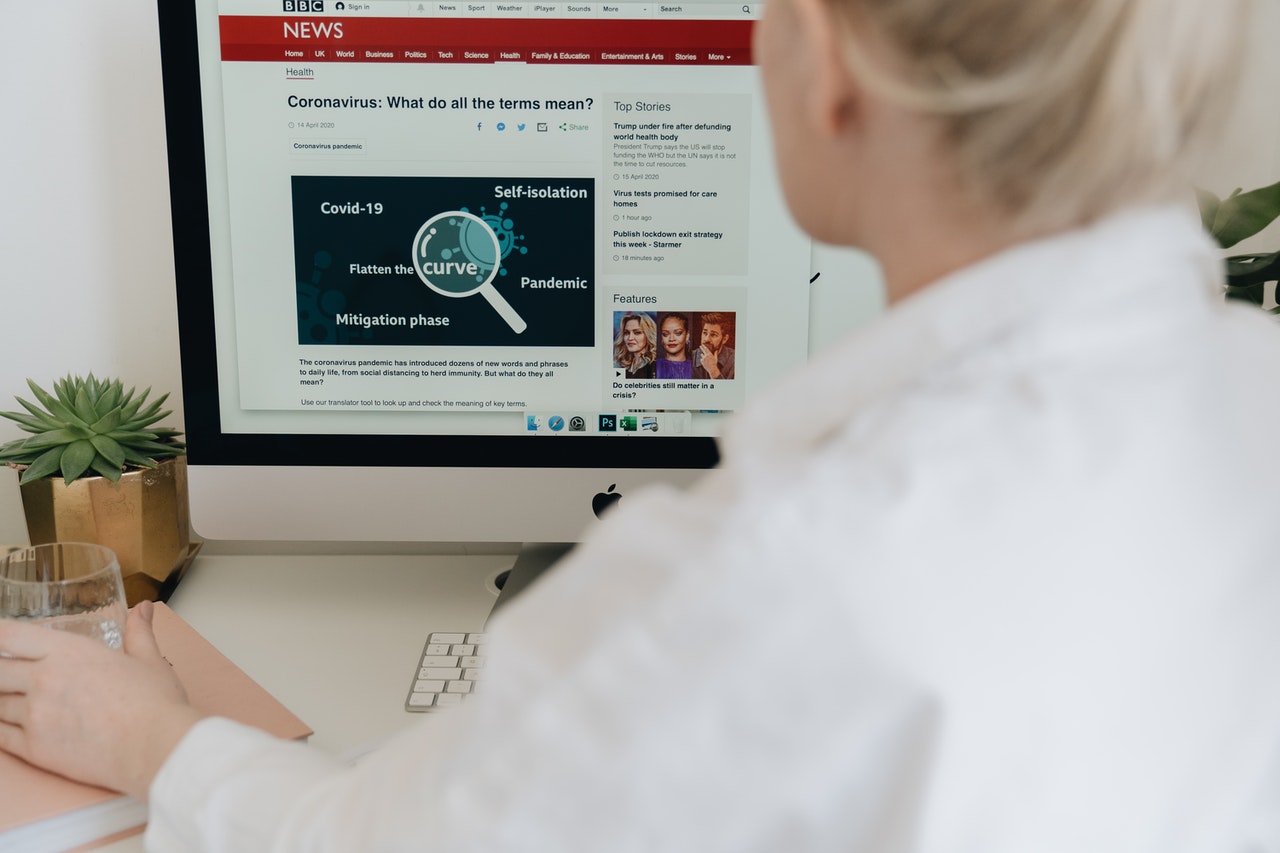

 It is vital for you to instill the habit of following the news in children from an awfully young age. There was a time when people wont to expect newspapers so as to catch the previous day’s happenings. due to the net, every latest information now’s available with a click of a button. There are plenty of advantages of following the news, especially for growing children. some common ones are listed below.
 Knowing the towing capacity of a truck is critical when choosing which model will work best for your pulling needs further as determining what you may be ready to haul along with your current vehicle. You ought to constantly observe the listed towing capacity because it is dangerous to exceed the limit. In case you’ll need a towing service, it’s best to choose big truck towing san jose.
 Since its commercial birth within the 1950s as a technological oddity at a science fair, gaming has known into one of the world’s major profitable entertainment industries.



 But as quickly as this trend took the beauty industry by storm, so does its tendency to be replaced by emerging styles that prove to fit to how the generation evolves and adapts. Beauty lines and cosmetic groups have claimed that the nearly perfect brow game will now be replaced with what others call as the natural game on where basically, all it takes is the most natural form of the brows which is messy, bushy, undefined. In this case, it can take less of the time to get ready and dolled up plus this trend actually paves way for a more ageless look. As trends come and go, defining beauty and what’s hot, makeup surely is a more aesthetic ground to express individuality, where you should always feel comfortable and your most confident self.
 What’s next for these window treatment trends?
 A country house isn’t going back to the wildernesses, rather it is turning out to be more sophisticated. Small combinations of patterns that are traditional have a spot in the contemporary home. Gingham cafe styled curtains are a cheery add-on to a kitchen window or a breakfast corner. Plaid, on the other hand, is always prepared for a riposte. The subtle dotted and floral designs of grain sack draperies heed back to a another time. Burlap as well has its spot when utilized in moderation.




 Pickleball has catapulted from a relatively unknown sport to a recreational activity that has become the talk of the town. Spanning age groups and fitness levels, this easy-to-learn game is quickly becoming a favorite in communities globally. Whether you’ve read about it in your latest news journal or heard whispers at your local community center, you might find yourself intrigued to learn how to play pickleball and master the art of playing pickleball. Let us explore the ins and outs of this exciting sport that has everyone swinging paddles and making new friends.
 When it comes to upgrading your vehicle’s appearance and performance, car rims play a crucial role. These circular metal structures not only enhance the aesthetics of your wheels but also provide improved handling and overall driving experience. In today’s digital era, staying up-to-date with the latest trends, news, and journals on car rims has become easier than ever.
 Coordinating with websites that put out “General Write For Us” invitations is one of the most effective SEO link building tools used by brand marketers. News websites are viable locations in which to place backlinks. Mainly because most consumers find useful information about new products or services; or newfound information about consumer protection policies covering existing products or services that they didn’t know before.
 News bloggers stay on top of local news in different states and/or countries, so they can pick those that have increasing numbers of audience reactions, and interactions about the local news topic. As contributors of trending content, they become the first to publish news blogs that can put the website at the forefront of digital news streaming channels.
 Results of scientific studies are no doubt widely welcomed by consumers. As highly useful pieces of news. The same is true for news about technological advancements that can make living and health conditions better Since the Internet made it possible for consumers to communicate product reviews and feed back. They can be excellent materials as news blog content, especially if in support of a product or services being promoted by a guest blogger.
 In today’s fast-paced digital landscape, staying informed on the latest news and research is more important than ever. One of the most popular mediums for accessing such information is through online journals and news outlets. However, simply creating and publishing quality content is not enough to attract readers. In order to maximize the reach of these platforms, it is important to consider search engine optimization (SEO) and implement a solid system to manage and optimize your content.
 Most people who find themselves in such circumstances hire a good locksmith. Locksmiths are technicians who have the skills to create and beat locks, including changing combinations of locks, and bypassing locks when authorization is given. They also provide locks and keys for almost anything
 What Services Do Locksmiths Provide

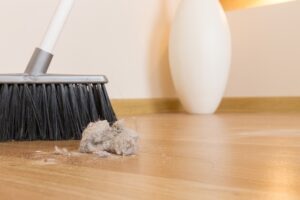 In Brisbane, households of busy families went under the stress of having to juggle professional work with house chores. All of a sudden, parents had to help their children cope with online learning. In some cases, families also have to care for elderly members, especially those with disabilities.
 Most vulnerable customers have adequate healthcare funding to pay for house cleaning services. The cost is part of the benefits received from the National Disability Insurance Scheme (NDIS) package.
 A list of the most common domestic chores being requested include:
 Influencer marketing can help your Instagram strategy get more people to know your brand, get more people to follow you, and make a lot of money. Are you ready to start marketing your business on Instagram with the help of influencers? If you’ve been on Instagram for even a few minutes, you’ve probably seen a post from an influencer.
 The roof of your home is not only functional but also adds style. From clapboards and tiles to solar panels and eco-friendly materials, how do you know what’s suitable for your home? Here, we will discuss the new features of residential roofing materials and some notable trends according to an Ocala roofing company.