
Immigration, Refugees and Citizenship Canada (IRCC) continues to recognize language proficiency as a key factor in many immigration pathways, while growing media coverage has drawn attention to how applicants prepare for French-language assessments. As discussions around migration, education, and workforce integration expand, preparation resources such as TCF past papers have become a common topic in reporting about language testing and immigration readiness.
French-language testing plays an important role in several immigration systems, particularly in Canada, where bilingualism remains a national priority. Over the years, the methods candidates use to prepare for exams have changed significantly. Traditional study habits centered on printed materials and classroom instruction now coexist with digital learning platforms, mobile applications, virtual tutoring, and online practice environments. These developments have sparked debate among educators, policymakers, and journalists about whether modern resources genuinely improve access and performance.
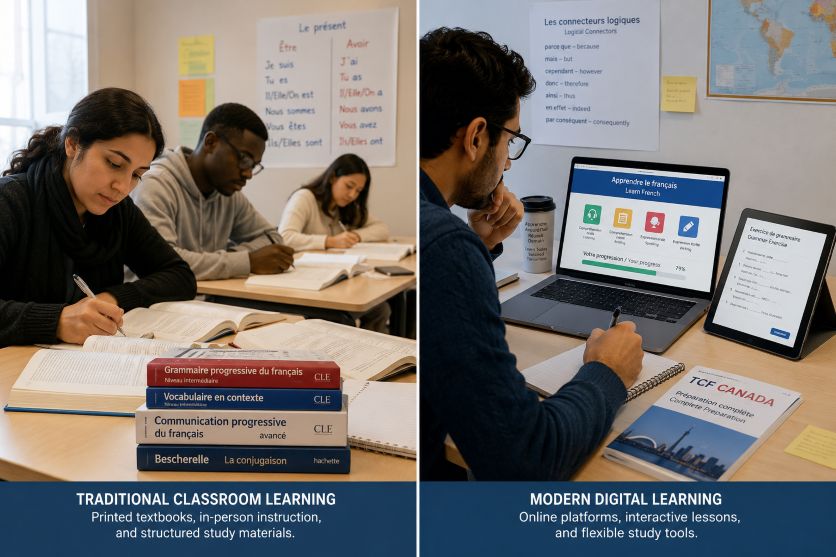
Historical Preparation Methods: Structure and Limited Access
Several years ago, candidates preparing for French-language proficiency examinations often relied on a relatively narrow range of study resources. Preparation typically involved language textbooks, local language schools, classroom-based instruction, and printed exercises obtained through educational institutions.
Research from UNESCO has highlighted how access to educational resources historically varied significantly depending on geography, income level, and local infrastructure. Applicants living outside major urban centers often faced challenges finding qualified instructors or specialized preparation materials.
During this period, many candidates viewed language preparation as a long-term academic process rather than a targeted examination strategy. Study plans frequently emphasized grammar mastery, vocabulary development, and formal classroom participation. Practice opportunities were limited compared to today’s standards, and obtaining sample questions or examination simulations sometimes required direct contact with educational centers.
Supporters of traditional preparation methods argue that structured classroom learning encouraged deeper language acquisition. Teachers could provide individualized feedback, monitor progress, and adjust instruction based on student performance. Many language professionals continue to value these benefits.
Critics, however, note that such approaches often required substantial financial investment and significant scheduling flexibility. Applicants balancing employment and family responsibilities sometimes struggled to participate consistently.
Current Preparation Trends: Digital Learning Expansion
Today’s preparation environment looks markedly different. Digital transformation has reshaped language education worldwide. Data from the Organisation for Economic Co-operation and Development (OECD) indicates that digital learning tools have become increasingly integrated into adult education and skills development across many countries.
Modern candidates frequently combine multiple learning methods. Online courses, mobile applications, video lessons, interactive quizzes, virtual classrooms, and AI-assisted language tools now form part of many study routines.
Several factors have contributed to this shift:
- Wider internet accessibility.
- Growth of remote education platforms.
- Increased demand for flexible learning schedules.
- Greater availability of examination-focused practice materials.
- Rising international mobility and immigration interest.
Unlike earlier generations of test-takers, current applicants can access study resources from virtually anywhere. Digital platforms allow learners to practice listening, reading, speaking, and writing skills without attending physical classrooms.
Education experts note that flexibility has become one of the most significant advantages of modern preparation systems. Candidates can customize study schedules around work commitments, family obligations, and immigration timelines.
Official Study Materials and Practice Resources
One area where historical and modern preparation methods differ substantially involves access to exam-specific materials.
Previously, candidates often depended on general French-language textbooks that were not always aligned with testing formats. While these materials helped develop language proficiency, they did not necessarily familiarize learners with exam structure, timing requirements, or question styles.
Today, official guides, sample questions, practice exercises, and examination simulations are far more accessible. Educational researchers frequently emphasize that familiarity with test formats can reduce anxiety and improve time management during assessments.
Many candidates now supplement broader language learning with targeted preparation resources designed to mirror real examination conditions. These materials help applicants understand scoring systems, task expectations, and common question formats.
Supporters of this trend argue that targeted preparation creates a more transparent testing process. Applicants know what skills will be evaluated and can focus their efforts accordingly.
Others caution that excessive emphasis on examination techniques may shift attention away from broader language development. This perspective suggests that long-term communication skills remain essential for successful integration after immigration.
Accessibility Versus Educational Depth
The debate surrounding modern preparation resources often centers on accessibility versus educational depth.
Advocates for digital learning emphasize the democratization of educational opportunities. A candidate in a rural community can now access many of the same preparation resources available to someone living in a major city.
Research published by the World Bank has repeatedly shown that digital technologies can expand educational access when infrastructure and connectivity are available. From this viewpoint, modern preparation tools reduce barriers that historically limited participation.
However, some educators remain cautious. They argue that independent online learning requires strong self-discipline and motivation. Without instructor guidance, learners may overlook weaknesses or misunderstand important language concepts.
This perspective highlights an important distinction between access and effectiveness. Simply providing resources does not guarantee successful outcomes. Candidate engagement, study habits, and learning strategies continue to play significant roles.
As a result, many applicants adopt blended approaches that combine digital resources with tutoring, conversation practice, or structured instruction.
Media and Journalism Perspectives on Preparation Trends
Journalists covering immigration and education increasingly view language preparation as part of a broader social and economic story.
Media reporting often explores how language requirements influence immigration decisions, labor market participation, and educational planning. Coverage frequently examines the growing ecosystem of preparation services, online learning providers, and examination support tools. Broader discussions surrounding immigration news coverage and policy debates also demonstrate how legal developments, public policy discussions, and applicant experiences intersect within modern migration reporting.
Some reporters focus on accessibility improvements enabled by technology. These stories often highlight how digital resources help candidates prepare regardless of location.
Others examine questions about educational equity. For example, analysts sometimes explore whether applicants with greater financial resources still enjoy advantages through access to premium coaching programs and personalized instruction.
Coverage from organizations such as the BBC, Reuters, and major Canadian news outlets frequently places language testing within larger discussions about migration policy, workforce development, and international mobility.
Education reporters also observe changing applicant behavior. Modern candidates are generally more likely to seek exam-specific guidance, participate in online study communities, and use digital tools to monitor progress. These habits differ substantially from preparation patterns commonly reported a decade ago.
Emerging Trends and Future Directions
Several developments suggest that French-language test preparation will continue evolving in the coming years.
- Expansion of adaptive learning technologies.
- Increased use of artificial intelligence in language practice.
- Growth of remote tutoring and virtual classrooms.
- Greater integration of multimedia learning resources.
- Enhanced access to exam simulations and performance analytics.
Experts note that future preparation systems will likely emphasize personalization. Digital platforms increasingly analyze learner performance and recommend customized study paths based on individual strengths and weaknesses.
At the same time, demand for reliable and credible study materials is expected to remain strong. As immigration pathways continue to evolve, applicants will likely seek resources that combine practical exam preparation with broader language development.
Conclusion
The contrast between historical and current French-language test preparation methods reflects broader changes in education, technology, and global mobility. Traditional classroom-centered approaches emphasized structured instruction and long-term language development, while modern preparation strategies prioritize flexibility, accessibility, and targeted practice.
Both perspectives offer valuable insights. Traditional methods highlight the importance of comprehensive language acquisition, while contemporary resources expand opportunities for candidates who may previously have faced geographic or financial barriers. Journalists and education reporters increasingly view these changes as part of a larger story about migration, technology, and lifelong learning.
As digital learning tools continue to evolve, French-language assessment preparation will likely remain a significant topic in immigration and education reporting. Understanding how preparation behaviors change over time helps provide context for broader discussions about language proficiency, international mobility, and the future of immigration pathways.